✓ An estimated 2 million adults in the US (1% of the population) are considered pathological gamblers.
✓ Gambling addiction is a recognized mental health disorder by the American Psychiatric Association.
✓ Early intervention significantly improves recovery rates for problem gamblers.
✓ Confidential and free resources are available nationwide for individuals and families affected by gambling addiction.
How It Works
1
Recognize the Problem
The first and most crucial step is acknowledging that a gambling problem exists. This self-awareness opens the door to seeking help and initiating change.
2
Seek Initial Support
Reach out to a national helpline or local support group. These resources offer immediate, confidential assistance and guidance on next steps.
3
Explore Treatment Options
Work with professionals to understand various treatment modalities like therapy, medication, or residential programs. Choosing the right path is crucial for long-term success.
4
Build a Support Network
Engage with family, friends, and peer support groups. A strong network provides encouragement, accountability, and a sense of community throughout the recovery process.
Understanding Gambling Addiction and Its Impact
Photo: Soufian Lafnesh / Pexels
Gambling addiction, often referred to as compulsive gambling or problem gambling, is a progressive behavioral disorder characterized by an uncontrollable urge to gamble despite negative consequences. It's not merely a bad habit or a moral failing; it's a serious mental health condition recognized by the American Psychiatric Association in its Diagnostic and Statistical Manual of Mental Disorders (DSM-5). The impact of gambling addiction extends far beyond the individual, creating a ripple effect that touches family members, friends, employers, and even entire communities. Financial devastation is one of the most immediate and visible consequences, leading to mounting debts, bankruptcy, loss of assets, and even homelessness. However, the damage is not solely economic. Relationships often suffer irreparable harm due to deception, broken trust, and emotional distance. Mental health deteriorates, with increased rates of depression, anxiety, stress, and even suicidal ideation among those struggling with the addiction. Physical health can also decline due to neglect, poor diet, and sleep disturbances.
The insidious nature of gambling addiction lies in its ability to mimic other substance use disorders. The brain's reward system is hijacked, leading to a compulsive pursuit of the 'high' associated with winning, even when losses accumulate. This cycle of chasing losses, coupled with the secrecy and shame often surrounding the behavior, makes it incredibly difficult for individuals to break free without professional intervention. It's crucial to understand that recovery is possible, but it requires a multi-faceted approach addressing both the behavioral aspects and any underlying psychological issues. Many individuals may initially deny they have a problem, minimize its severity, or attempt to stop on their own, only to relapse. This is why professional gambling addiction help resources US are so vital. They provide a structured, supportive environment where individuals can begin to unpack the complexities of their addiction and develop coping mechanisms for a healthier future. Recognizing the signs and understanding the profound impact is the first step towards seeking the necessary support and embarking on a journey of healing and recovery. Understanding the signs of gambling addiction is crucial for early intervention.
National Gambling Addiction Help Resources US
Photo: Negative Space / Pexels
When facing the daunting challenge of gambling addiction, knowing where to turn for help is paramount. Fortunately, the United States offers a robust network of national resources designed to provide immediate support, guidance, and pathways to recovery. These organizations serve as critical first points of contact for individuals, their families, and anyone concerned about problem gambling.
The National Council on Problem Gambling (NCPG) stands out as a leading advocate and resource provider. Operating a confidential, 24/7 National Problem Gambling Helpline (1-800-GAMBLER), the NCPG connects callers with local resources, including treatment centers, Gamblers Anonymous meetings, and financial counseling services. Their website is a treasure trove of information, offering self-assessment tools, educational materials, and state-by-state resource directories. The NCPG emphasizes that all calls are confidential and that support is available regardless of financial situation.
Another vital national resource is Gamblers Anonymous (GA). GA is a fellowship of men and women who share their experience, strength, and hope with each other that they may solve their common problem and help others to recover from a gambling problem. Modeled after Alcoholics Anonymous, GA utilizes a 12-step program to guide members towards recovery. Meetings are held regularly across the country, providing a safe, anonymous, and supportive environment where individuals can share their struggles and successes without judgment. Gam-Anon, a companion organization, offers similar support specifically for the friends and families of compulsive gamblers, recognizing that the addiction affects loved ones deeply.
Beyond these, the National Center for Responsible Gaming (NCRG) plays a crucial role in funding research into the causes and treatment of gambling disorders. While not a direct service provider, their work informs best practices and contributes to the development of more effective treatment strategies. Their website provides valuable insights into the science behind gambling addiction and responsible gaming practices.
Many states also have their own dedicated problem gambling councils or helplines, often funded through state lotteries or gaming revenues. These state-specific resources can offer more localized support, including state-funded treatment programs, prevention initiatives, and community outreach efforts. Accessing these national and state-level gambling addiction help resources US is often the critical first step towards breaking the cycle of addiction and beginning a sustainable journey toward recovery and a healthier life. These resources are designed to be accessible, confidential, and judgment-free, providing a beacon of hope for those feeling lost in the throes of gambling addiction.
Local Treatment Options and Support Groups
Photo: MART PRODUCTION / Pexels
While national helplines provide an essential entry point, local treatment options and support groups are where the sustained work of recovery often takes place. These localized resources offer tailored interventions, ongoing therapeutic support, and the invaluable connection of a community facing similar challenges. Finding the right local resource can significantly impact the effectiveness and longevity of recovery.
One of the most common and effective local resources is outpatient therapy. This can include individual counseling, group therapy, and family therapy. Cognitive Behavioral Therapy (CBT) is a widely used approach that helps individuals identify and change problematic thought patterns and behaviors related to gambling. Motivational Interviewing (MI) is another effective technique, focusing on strengthening an individual's motivation for change. Therapists specializing in addiction can help individuals develop coping strategies, manage triggers, address co-occurring mental health conditions (like depression or anxiety), and rebuild damaged relationships. Many community mental health centers and private practices offer these services.
In more severe cases, or when outpatient treatment hasn't been sufficient, inpatient or residential treatment programs may be recommended. These programs provide a structured, immersive environment away from gambling triggers, offering intensive therapy, medical supervision, and comprehensive support. They typically last from a few weeks to several months and are designed for individuals who require a higher level of care to stabilize and begin their recovery journey.
Peer support groups, such as Gamblers Anonymous (GA) and Gam-Anon, are cornerstones of local recovery efforts. GA meetings provide a space for individuals to share their experiences, gain insights from others who understand their struggle, and work through the 12-step program. The anonymity and shared understanding foster a powerful sense of community and reduce feelings of isolation and shame. Gam-Anon offers a similar lifeline for family members, providing a supportive environment to process their own feelings, learn coping mechanisms, and understand how to best support their loved one's recovery while also caring for themselves. These groups are often free and accessible in many communities. Finding a local support group can be a powerful step in recovery.
Additionally, some areas have specialized financial counseling services specifically for individuals recovering from gambling addiction. These counselors can help manage debt, create budgets, and develop strategies for financial stability, which is often a significant hurdle in recovery. Many local gambling addiction help resources US are integrated, meaning they can refer individuals to a network of services that address the multifaceted nature of this addiction, ensuring holistic support for a sustainable recovery.
Practical Tips for Starting Your Recovery Journey
Photo: cottonbro studio / Pexels
Embarking on the path to recovery from gambling addiction can feel overwhelming, but taking practical, manageable steps can make the journey more achievable. Here are some essential tips to help you start and sustain your recovery:
* **Self-Exclusion Programs:** Many casinos, online gambling sites, and state lotteries offer self-exclusion programs. By voluntarily signing up, you ban yourself from entering casinos, betting online, or purchasing lottery tickets for a specified period, or even permanently. This creates a crucial barrier between you and gambling opportunities, removing the temptation and making it harder to relapse. Contact your local gaming commission or specific gambling establishments for details on how to enroll.
* **Financial Safeguards:** Implement strict financial controls. This might involve handing over control of your finances to a trusted family member, closing gambling-related accounts, canceling credit cards, or setting up automatic bill payments to prevent access to funds. Consider a dedicated financial counselor who specializes in problem gambling debt to help you manage and repay debts responsibly, and to create a sustainable budget.
* **Identify and Avoid Triggers:** Pay close attention to what situations, emotions, or people typically lead you to gamble. Once identified, actively work to avoid these triggers or develop alternative, healthy coping mechanisms. This could mean changing your commute, avoiding certain social circles, or finding new hobbies to fill your time.
* **Build a Strong Support System:** Lean on family, friends, and support groups like Gamblers Anonymous or Gam-Anon. Share your struggles and successes openly. Having people who understand and support your recovery is invaluable for accountability and emotional well-being. Don't underestimate the power of shared experience.
* **Seek Professional Help:** This is paramount. Connect with a therapist or counselor specializing in addiction. They can provide individual therapy (like CBT), group therapy, and help address any co-occurring mental health issues. Professional guidance offers strategies, tools, and a safe space to process the underlying causes of your addiction.
* **Develop Healthy Coping Mechanisms:** Gambling often serves as an escape or a way to cope with stress, boredom, or negative emotions. Replace gambling with healthy activities such as exercise, mindfulness, hobbies, volunteering, or spending time in nature. Learning to manage emotions constructively is key to long-term recovery.
* **Set Realistic Goals:** Recovery is a process, not an event. There will be good days and challenging days. Set small, achievable goals and celebrate your progress. Don't be discouraged by setbacks; view them as learning opportunities and recommit to your recovery plan. Patience and persistence are crucial.
* **Educate Yourself and Loved Ones:** Understanding the nature of gambling addiction helps demystify the condition and reduces stigma. Educate your family and friends about the disorder so they can better support you without enabling your behavior. This shared understanding strengthens the recovery environment.
By proactively engaging with these gambling addiction help resources US and implementing these practical tips, individuals can lay a solid foundation for a successful and lasting recovery, reclaiming control over their lives and finances.
Comparison
Feature
National Helpline (1-800-GAMBLER)
Gamblers Anonymous (GA)
Professional Therapy
Self-Exclusion Programs
Confidentiality
✓
✓
✓
✓
Immediate Support
✓
Access to meetings
Appointment needed
Enrollment process
Peer Support
Referral to GA
✓
Group therapy option
N/A
Professional Guidance
Referral to therapists
N/A
✓
N/A
Cost
Free
Free (donations accepted)
Varies (insurance may cover)
Free
Structured Program
Referrals
12-step program
Therapeutic plans
Behavioral barrier
Family Support
Referral to Gam-Anon
Referral to Gam-Anon
Family therapy option
N/A
What Readers Say
★★★★★
"The 1-800-GAMBLER helpline was my first step towards healing. They connected me to a local therapist and a GA meeting, which literally saved my life. I'm 6 months sober from gambling now, thanks to these amazing gambling addiction help resources US."
Sarah J. · Austin, TX
★★★★★
"Gamblers Anonymous gave me a community I desperately needed. Hearing others share their struggles and triumphs made me feel less alone. It’s an invaluable part of my recovery journey."
Mark T. · Chicago, IL
★★★★★
"After racking up significant debt, I sought professional counseling. My therapist helped me understand the root causes of my addiction and develop coping strategies. I've been able to manage my finances and rebuild trust with my family, something I thought was impossible."
Jessica L. · Miami, FL
★★★★★
"The self-exclusion program was a game-changer for me. It wasn't a complete fix, but it gave me the physical barrier I needed to stop the immediate urge to gamble. It bought me time to seek further help and start therapy."
David R. · Denver, CO
★★★★★
"As a family member, Gam-Anon was incredibly helpful. It taught me how to support my husband without enabling his addiction, and crucially, how to take care of my own well-being. These family-focused gambling addiction help resources US are essential."
Emily P. · Seattle, WA
Frequently Asked Questions
What is the fastest way to get help for gambling addiction in the US?
The fastest way to get immediate help is to call the National Problem Gambling Helpline at 1-800-GAMBLER. This 24/7 confidential helpline can provide instant support, crisis counseling, and direct referrals to local treatment centers and support groups in your area, connecting you with resources tailored to your needs without delay.
Is gambling addiction considered a real mental illness?
Yes, gambling addiction (officially known as Gambling Disorder) is recognized as a legitimate mental health condition by the American Psychiatric Association in its Diagnostic and Statistical Manual of Mental Disorders (DSM-5). It's categorized alongside substance use disorders due to its impact on brain reward systems and compulsive behavioral patterns.
How do self-exclusion programs work?
Self-exclusion programs allow individuals to voluntarily ban themselves from gambling venues (casinos, racetracks) or online gambling platforms for a set period (e.g., 1 year, 5 years, or permanently). You typically sign up with the state gaming commission or directly with operators, and violating the ban can lead to legal consequences or forfeiture of winnings. It's a proactive barrier to prevent access to gambling.
Are there free gambling addiction help resources US available?
Absolutely. Many gambling addiction help resources in the US are free. The National Problem Gambling Helpline (1-800-GAMBLER) is free, as are Gamblers Anonymous (GA) and Gam-Anon meetings. Some state-funded programs and community mental health centers may also offer free or low-cost treatment options, often depending on income.
How does professional therapy compare to peer support groups for gambling addiction?
Professional therapy (e.g., CBT, individual counseling) offers structured, evidence-based interventions led by licensed professionals, addressing underlying psychological issues and developing personalized coping strategies. Peer support groups like GA provide a community of shared experience, mutual support, and accountability through a 12-step program. Both are highly effective and often complement each other, with many individuals benefiting from engaging in both types of support.
Who should use gambling addiction help resources US?
Anyone who feels their gambling is out of control, is causing financial, relational, or emotional distress, or is leading to negative consequences should seek help. This includes individuals who are actively gambling, those contemplating stopping, or those who have already stopped but fear relapse. Family members and friends affected by a loved one's gambling can also benefit from resources like Gam-Anon.
Is it safe to share personal information with gambling addiction help resources?
Yes, national helplines, professional therapists, and support groups like Gamblers Anonymous operate under strict confidentiality guidelines. Your personal information and struggles are protected. This confidentiality is crucial for fostering trust and encouraging individuals to seek help without fear of judgment or exposure.
What is the future outlook for gambling addiction treatment in the US?
The future outlook is positive, with increasing awareness, research funding, and integration of gambling disorder treatment into mainstream mental health services. There's a growing emphasis on early intervention, personalized treatment plans, and leveraging technology (e.g., apps, online therapy) to increase accessibility and effectiveness of gambling addiction help resources US.
If you or a loved one is struggling with gambling addiction, remember that you are not alone, and effective gambling addiction help resources US are readily available. Take the courageous first step today by reaching out to a helpline or exploring local support options. Your journey to recovery and a healthier, more fulfilling life can begin now.

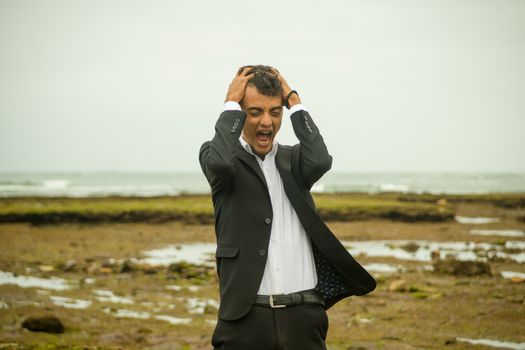 Photo: Soufian Lafnesh / Pexels
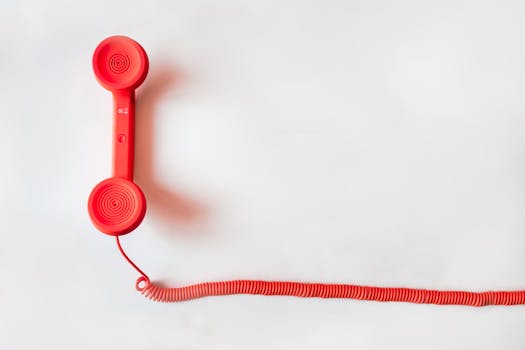 Photo: Negative Space / Pexels
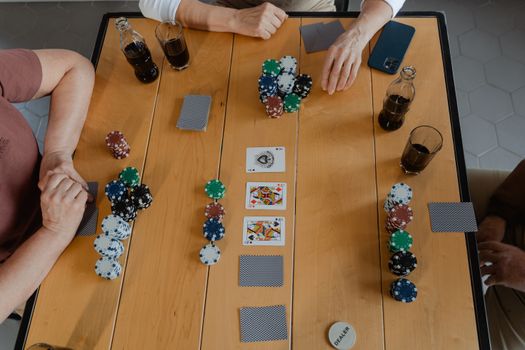 Photo: MART PRODUCTION / Pexels
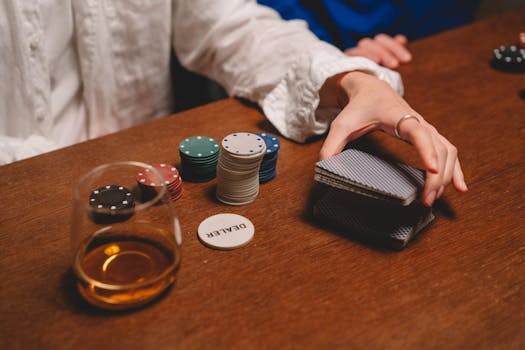 Photo: cottonbro studio / Pexels