
How to Gamble Responsibly: Your Guide to Safe Play

A vibrant display of casino chips, dice, and playing cards set on a table, embodying chance and excitement.Photo: Pixabay / Pexels

How to Gamble Responsibly: Your Guide to Safe Play

Master the art of responsible gambling with expert strategies to ensure fun, control, and peace of mind.

Start Your Safe Play Journey

Key Takeaways

  • ✓ Responsible gambling is about entertainment, not income.
  • ✓ Setting strict time and money limits is crucial for safe play.
  • ✓ Never gamble with money you can't afford to lose.
  • ✓ Recognizing the signs of problem gambling is the first step to seeking help.

How It Works

1
Understand the Odds

Before you play, know that the house always has an edge. Gambling is designed for entertainment, not as a reliable way to make money.

2
Set Clear Limits

Decide on a strict budget and time limit for your gambling sessions. Stick to these limits regardless of wins or losses to maintain control.

3
Separate Funds

Allocate a specific amount of 'entertainment money' for gambling that is separate from your essential living expenses. Never chase losses with this money.

4
Recognize Warning Signs

Be aware of the indicators of problem gambling, such as increasing bet sizes, gambling to escape problems, or lying about gambling habits. Seek help if these signs appear.

Understanding Responsible Gambling Practices

Detailed view of a casino gaming table with poker chips and a wooden pipe on the side.Photo: Pavel Danilyuk / Pexels
Responsible gambling isn't just a buzzword; it's a fundamental approach to engaging with any form of wagering in a way that minimizes potential harm to oneself and others. In the United States, where various forms of gambling are legal and increasingly accessible, understanding and implementing responsible gambling practices has never been more critical. At its core, responsible gambling is about maintaining control, setting boundaries, and ensuring that the activity remains a form of entertainment rather than a source of financial or emotional distress. It acknowledges that while gambling can be a fun pastime, it carries inherent risks that need to be managed proactively. This means being fully aware of the odds, understanding that losses are a natural part of the game, and never viewing gambling as a viable path to financial stability. One of the cornerstones of responsible gambling is the concept of budgeting. Before you even place your first bet, it's essential to determine how much money you are willing to lose and, crucially, can afford to lose without impacting your financial well-being. This isn't about setting a target for wins, but rather establishing a maximum loss threshold. Once that budget is set, it must be adhered to strictly, regardless of how the game is progressing. This discipline prevents the common pitfall of 'chasing losses,' which often leads to escalating bets and deeper financial trouble. Similarly, setting time limits is equally important. It's easy to get absorbed in the excitement of a game, but prolonged gambling sessions can lead to fatigue, impaired judgment, and increased risk-taking. Designate a specific duration for your gambling activity and commit to stopping when that time is up. Beyond personal financial and time management, responsible gambling also involves being mindful of your emotional state. Gambling should never be used as a coping mechanism for stress, anxiety, depression, or loneliness. When you gamble from a place of emotional vulnerability, your decision-making can be compromised, leading to impulsive and potentially harmful choices. Instead, approach gambling with a clear mind and a positive outlook, treating it as a lighthearted leisure activity. Furthermore, it's vital to recognize that gambling is not an isolated activity; it exists within a broader social context. Responsible gambling also encompasses protecting minors from exposure to gambling, ensuring the fairness of games, and providing support for those who develop gambling problems. Many states and online platforms offer resources such as self-exclusion programs and access to counseling services, demonstrating a collective commitment to fostering a safer gambling environment. Understanding these multifaceted gambling practices is the first step towards enjoying the activity without succumbing to its potential downsides. It's about empowerment through knowledge and self-control, ensuring that the thrill of the game remains just that – a thrill, not a threat.

Setting Smart Limits and Sticking to Them

Casual poker scene with colorful poker chips and playing cards on a wooden table.Photo: MART PRODUCTION / Pexels
The most effective strategy for how to gamble responsibly revolves around setting intelligent limits and possessing the unwavering discipline to adhere to them. This isn't a suggestion; it's a non-negotiable rule for anyone looking to enjoy gambling without suffering negative consequences. These limits should encompass both monetary spending and the amount of time dedicated to gambling. Let's delve deeper into how to implement these limits effectively and why they are so crucial for maintaining a healthy relationship with gambling. First and foremost, establish a strict monetary budget. This budget should be an amount of disposable income you are absolutely comfortable losing, as if you were spending it on a movie ticket or a nice dinner. It should never, under any circumstances, be money designated for rent, bills, groceries, or savings. A practical approach is to withdraw your predetermined gambling budget in cash (if playing in a physical casino) or transfer a specific amount to your online gambling account, and then commit to not exceeding that amount. Once it's gone, it's gone – no trips to the ATM, no additional transfers, and certainly no borrowing. Many online platforms now offer tools that allow you to set daily, weekly, or monthly deposit limits, loss limits, and even wagering limits. Actively utilize these features. They are designed to help you maintain control and provide an automated safeguard against impulsive decisions. Review these limits periodically, especially after a period of sustained losses or significant wins, to ensure they still align with your financial reality and comfort level. Secondly, setting time limits is equally vital. Time can slip away quickly when you're engrossed in a game, leading to fatigue, poor decision-making, and neglecting other responsibilities. Before you start gambling, decide on a specific duration for your session – whether it's an hour, two hours, or whatever you deem appropriate for your schedule. Set an alarm on your phone or use the timer features often available on online gambling sites. When the time is up, stop playing, even if you're on a winning streak or feel like you're 'due' for a win. Taking regular breaks is also a part of effective time management. Step away from the game every hour or so, even if just for a few minutes, to clear your head, stretch, and reassess your situation. This helps prevent tunnel vision and allows for more rational decision-making. Beyond these direct limits, it’s also important to set emotional limits. Never gamble when you're feeling stressed, upset, bored, or intoxicated. These emotional states can impair your judgment, make you more susceptible to taking unnecessary risks, and turn gambling into an escape mechanism rather than a form of entertainment. Gambling should be an activity you engage in when you are in a good frame of mind, able to think clearly, and truly able to enjoy the experience without external pressures or internal emotional turmoil influencing your decisions. By consistently applying these comprehensive limits – financial, temporal, and emotional – you create a strong framework for responsible gambling, transforming it from a potential risk into a genuinely enjoyable leisure pursuit.

Recognizing and Avoiding Problem Gambling Behaviors
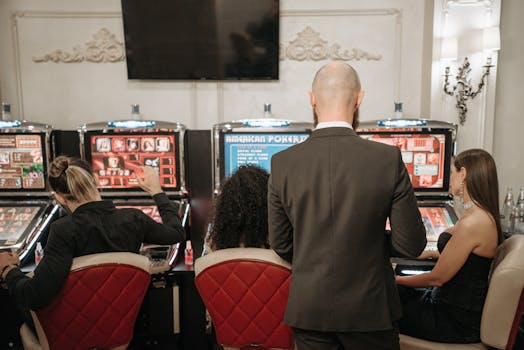
A group of adults engaged in playing slot machines inside a stylish casino setting.Photo: Pavel Danilyuk / Pexels
While gambling can be a fun and engaging activity, it's crucial for anyone participating to be aware of the signs of problem gambling and to actively work towards avoiding these behaviors. Problem gambling, also known as gambling addiction or compulsive gambling, is a progressive addiction characterized by an increasing preoccupation with gambling, a need to bet more money more frequently, restlessness or irritability when attempting to stop, and chasing losses. It's a serious condition that can have devastating financial, emotional, and social consequences for the individual and their loved ones. Recognizing these warning signs early is paramount to preventing the situation from escalating and seeking timely help. One of the most common red flags is 'chasing losses.' This occurs when an individual bets more money, or bets more frequently, in an attempt to recoup money they have already lost. This behavior often leads to a spiraling cycle of increasing debt and desperation, as the gambler becomes more focused on recovering past losses than on the present reality of their financial situation. Another significant indicator is gambling with money that is intended for essential expenses, such as rent, groceries, or utility bills. If you find yourself prioritizing gambling over fundamental financial responsibilities, it's a clear sign that your gambling habits are becoming problematic. Similarly, borrowing money to gamble, especially from multiple sources or in secret, points towards a loss of control. Emotional and psychological changes are also key warning signs. These can include feeling restless, irritable, or anxious when not gambling, or using gambling as an escape from personal problems, stress, or feelings of guilt. Lying to family members, friends, or colleagues about the extent of your gambling, or hiding your gambling activities altogether, suggests a deep-seated issue. You might also notice a decrease in interest in hobbies or activities you once enjoyed, as gambling consumes more and more of your thoughts and time. Neglecting work, school, or family responsibilities due to gambling is another serious symptom that requires immediate attention. To actively avoid problem gambling behaviors, several strategies can be employed. Firstly, always maintain a clear distinction between gambling and other forms of entertainment. If gambling starts to feel like a necessity rather than a choice, it's time to re-evaluate. Secondly, diversify your leisure activities. Don't let gambling become your sole source of entertainment or excitement. Engage in other hobbies, spend time with friends and family, and pursue interests that don't involve wagering. Thirdly, be honest with yourself and a trusted individual about your gambling habits. Open communication can provide an external perspective and accountability. Many online platforms and physical casinos offer self-exclusion programs, allowing individuals to voluntarily ban themselves from gambling for a set period. If you feel your gambling is becoming uncontrollable, utilizing such a program can be a crucial step. Remember, seeking help is a sign of strength, not weakness. Organizations like the National Council on Problem Gambling (NCPG) and Gamblers Anonymous offer confidential support and resources for those struggling with gambling addiction in the United States. Early intervention is key to preventing long-term harm and regaining control over your life.

Practical Tips for Sustainable and Enjoyable Gambling

To ensure your gambling experiences remain sustainable, enjoyable, and free from negative consequences, incorporating a few practical tips into your routine can make a significant difference. These aren't just rules to follow, but rather a mindset to adopt that prioritizes well-being over potential wins, ensuring that the entertainment value of gambling is preserved. Here are some actionable strategies: * **Gamble for Fun, Not for Profit:** This is perhaps the most important tip. Understand that gambling is a form of entertainment with a cost, just like going to a concert or a sporting event. Treat any winnings as a bonus, not as expected income. Approaching gambling with this mindset helps manage expectations and reduces the emotional impact of losses. * **Never Chase Losses:** This cannot be stressed enough. If you hit your predetermined loss limit, stop playing. Trying to win back money you've lost is a slippery slope that often leads to larger losses and significant financial distress. Accept the loss and walk away. * **Avoid Gambling When Emotional or Stressed:** Your mental state significantly impacts your decision-making. Gambling when you're feeling down, angry, anxious, or intoxicated can impair your judgment, leading to impulsive and reckless betting. Only gamble when you are in a calm, clear, and positive frame of mind. * **Take Frequent Breaks:** Step away from the game regularly. This helps clear your head, prevents fatigue, and allows you to reassess your situation objectively. Short breaks can prevent you from getting too absorbed and making hasty decisions. * **Balance Gambling with Other Activities:** Gambling should be one of many interests in your life, not the sole focus. Ensure you have a wide range of hobbies, social activities, and responsibilities that bring you joy and fulfillment. This prevents gambling from becoming an over-dominant force in your life. * **Use Self-Exclusion Tools:** Many online casinos and physical gambling establishments offer self-exclusion programs. If you feel your gambling is becoming problematic or you need a break, utilize these tools to voluntarily restrict your access for a set period. This is a powerful self-help mechanism. * **Educate Yourself on Game Mechanics:** Understand the rules, odds, and payout structures of the games you play. Knowledge empowers you to make more informed decisions, even if it doesn't guarantee wins. Avoid games you don't understand. * **Don't View Gambling as a Solution to Financial Problems:** If you are facing financial difficulties, gambling is the absolute worst solution. It will almost certainly exacerbate your problems. Seek professional financial advice instead. * **Be Transparent with Loved Ones:** If you gamble, consider being open with a trusted family member or friend about your habits. Accountability can be a strong deterrent against problematic behavior and provides a support system if needed. By integrating these practical tips, you can foster a healthier, more controlled, and ultimately more enjoyable relationship with gambling, ensuring it remains a leisurely pursuit rather than a source of stress or regret.

Comparison

FeatureResponsible GamblerProblem GamblerCasual Gambler
MotivationEntertainment, thrillEscape, win money backSocial, occasional fun
BudgetingStrict, disposable incomeNo budget, uses essential fundsLoose, within limits
Time SpentFixed limits, breaksExcessive, neglects dutiesOccasional, short sessions
Emotional StateCalm, clear-headedStressed, anxious, desperateRelaxed, happy
Chasing LossesNeverAlways, increases betsRarely, accepts loss
TransparencyOpen with othersHides activities, liesOpen with others
Impact on LifePositive, no negative impactSignificant negative impactNo negative impact

What Our Readers Say

5 ★★★★★

"This guide on how to gamble responsibly completely changed my approach. I used to get caught up chasing losses, but now I set strict limits and walk away. It's made gambling fun again, without the stress."

5 ★★★★★

"The tips on time management and recognizing emotional triggers were incredibly helpful. I now enjoy my casino visits much more, knowing I'm in control and not letting it consume me."

5 ★★★★★

"I implemented the budgeting advice immediately and it's been a game-changer. I used to overspend, but by sticking to my 'entertainment money,' I've saved a lot and still get to enjoy the occasional game."

4 ★★★★☆

"While I already practice most of these, the section on problem gambling behaviors was a good reminder. It's easy to slip, so having these clear signs outlined is very beneficial for self-awareness."

5 ★★★★★

"As someone who enjoys online poker, the advice on utilizing platform self-limit tools was fantastic. It's a proactive way to ensure I stick to my responsible gambling goals, even when the game gets intense."

Frequently Asked Questions

What is the most important rule for how to gamble responsibly?
The most important rule is to only gamble with money you can afford to lose, treating it as an entertainment expense rather than an investment. Setting and strictly adhering to a budget and time limit is crucial, as is recognizing that gambling should never be used to solve financial problems or escape emotional distress.
I feel like I'm losing control; what should I do?
If you feel you're losing control, the first step is to stop gambling immediately. Reach out to a trusted friend or family member, and consider utilizing self-exclusion programs offered by gambling platforms or casinos. Professional help from organizations like the National Council on Problem Gambling (NCPG) or Gamblers Anonymous is readily available and highly recommended.
How do I set effective financial limits for gambling?
To set effective financial limits, first, determine an amount of disposable income you are comfortable losing over a specific period (e.g., daily, weekly, monthly). This money should be separate from your essential living expenses. Use cash in physical casinos to avoid overspending, and for online gambling, utilize the deposit and loss limit tools provided by reputable sites. Do not deviate from this limit, regardless of wins or losses.
Is responsible gambling expensive, or does it save money?
Responsible gambling is not about saving money in the sense of guaranteed wins, but rather about preventing significant financial losses and the high costs associated with problem gambling. By setting strict budgets and adhering to them, you control your spending, ensuring that gambling remains an affordable form of entertainment within your means, ultimately saving you from potential financial ruin.
How does responsible gambling differ from abstaining completely?
Responsible gambling allows individuals to participate in gambling activities in a controlled, mindful, and safe manner, treating it as a leisure activity. Abstaining completely means refraining from all gambling. While abstinence is the recommended path for those struggling with gambling addiction, responsible gambling provides a framework for others to enjoy the activity without developing problematic behaviors.
Who should use responsible gambling practices?
Everyone who chooses to gamble, regardless of the frequency or amount, should actively use responsible gambling practices. These guidelines are not just for those at risk of problem gambling but are fundamental for anyone to ensure their participation remains healthy, enjoyable, and free from negative consequences. It's about proactive self-care within the gambling environment.
What are the risks if I don't gamble responsibly?
Failing to gamble responsibly carries significant risks, including severe financial debt, loss of assets, damaged relationships, job loss, and significant emotional distress like anxiety, depression, and even suicidal thoughts. It can lead to the development of a gambling addiction, which has profound negative impacts on all aspects of an individual's life and the lives of those around them.
Will future technology make responsible gambling easier or harder?
Future technology presents both opportunities and challenges for responsible gambling. AI and advanced analytics could enhance personalized responsible gambling tools, helping users set better limits and identifying problematic behaviors sooner. However, increased accessibility through VR, mobile apps, and gamification could also make it harder for some to maintain control without robust self-regulation and external support systems.

Embrace the principles of how to gamble responsibly and transform your gambling experience into a truly enjoyable and controlled pastime. By setting clear limits, recognizing warning signs, and prioritizing your well-being, you can ensure that the thrill of the game never overshadows your peace of mind.

Topics: how to gamble responsiblyresponsible gambling tipssafe gambling practicesgambling limitsproblem gambling help