
How to Stop Gambling Addiction: Your Path to Freedom
Reclaim control of your life and find lasting freedom from the grip of compulsive gambling with proven strategies and support.
Start Your RecoveryKey Takeaways
- ✓ Gambling addiction is a recognized mental health disorder.
- ✓ Recovery is possible with the right support and strategies.
- ✓ Financial, emotional, and social impacts are significant.
- ✓ Self-exclusion programs are a powerful tool for many.
How It Works
The first critical step is admitting you have a gambling problem. This self-awareness is the foundation for all subsequent recovery efforts and opens the door to seeking help.
Connect with therapists, counselors, or addiction specialists trained in problem gambling. They can provide personalized strategies, therapy, and support tailored to your unique situation.
Take concrete steps to limit access to gambling, such as self-exclusion, financial controls, and avoiding triggers. These practical measures create necessary distance from the temptation.
Engage with support groups like Gamblers Anonymous and lean on trusted friends and family. A strong network provides encouragement, accountability, and understanding throughout your recovery journey.
Understanding the Roots of Compulsive Gambling
 Photo: M1DDL3 M7N / Pexels
The underlying causes of gambling addiction are complex and multifaceted, often involving a combination of psychological, biological, and social factors. Psychologically, individuals may turn to gambling as a coping mechanism for stress, anxiety, depression, or loneliness. The thrill of the gamble can offer a temporary escape from emotional pain or difficult life circumstances. Some people may have personality traits such as impulsivity, a competitive nature, or a heightened need for excitement that can predispose them to developing a gambling problem. Biological factors can include a genetic predisposition, as research suggests a family history of addiction (not just gambling) can increase an individual's risk. Neurochemical imbalances in the brain's reward system can also play a role, making some individuals more susceptible to compulsive behaviors. Social and environmental factors are equally significant. Easy access to gambling (online casinos, sports betting, physical casinos), peer pressure, cultural norms that normalize or even glorify gambling, and financial stress can all contribute to the development and escalation of a gambling addiction. Understanding these intricate roots is crucial for developing an effective strategy on how to stop gambling addiction and embark on a sustainable path to recovery. It’s not simply about willpower; it’s about addressing the deep-seated reasons why gambling became a central part of one's life.
Practical Strategies to Break the Cycle of Gambling
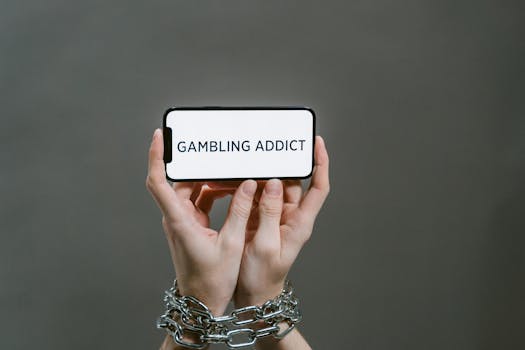 Photo: Tima Miroshnichenko / Pexels
Financial management is another cornerstone of recovery. Problem gambling often leads to severe financial distress, making it essential to regain control over your money. This might involve handing over control of your finances to a trusted family member or friend, who can manage your bank accounts, credit cards, and cash. Setting up direct deposit for your paycheck into an account inaccessible to you, or limiting your access to cash, can prevent you from using funds for gambling. Canceling credit cards and closing gambling accounts are also vital steps. Beyond these preventative measures, it's important to identify and avoid triggers. These can be specific places, people, emotions, or even times of day that make you want to gamble. If certain friends or social situations involve gambling, you may need to distance yourself from them, at least temporarily. Developing new, healthy hobbies and interests to fill the void left by gambling is also critical. Engage in activities that bring you joy, fulfillment, and a sense of accomplishment, such as sports, arts, volunteering, or spending time in nature. These new pursuits can help redirect your energy and focus away from gambling and towards more constructive behaviors. Remember, breaking the cycle is a marathon, not a sprint, and consistent application of these strategies is key to long-term success.
Building a Robust Support System and Seeking Professional Help
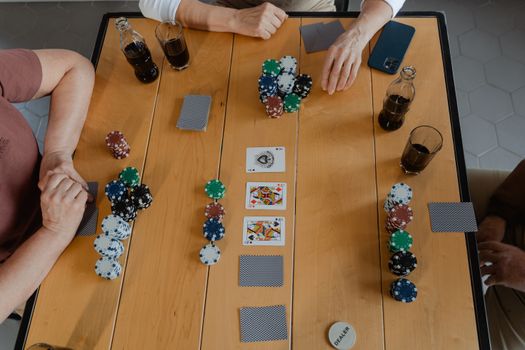 Photo: MART PRODUCTION / Pexels
Support groups play an invaluable role in recovery. Gamblers Anonymous (GA) is a prominent example, offering a 12-step program similar to Alcoholics Anonymous. These meetings provide a safe and confidential space where individuals can share their experiences, challenges, and successes with others who understand what they're going through. The peer support, shared empathy, and sense of community found in GA can be incredibly empowering and provide a vital sense of belonging. Beyond formal groups, building a personal support network of trusted friends and family members is crucial. Educate your loved ones about your addiction and your recovery goals, so they can understand your struggles and offer appropriate support without enabling your behavior. They can provide accountability, emotional encouragement, and practical assistance during difficult times. Remember, recovery is a journey that doesn't have to be walked alone. Leveraging both professional expertise and the power of community is fundamental to successfully navigate how to stop gambling addiction and maintain long-term abstinence. Don't hesitate to reach out; there are many resources available to help you on this path.
Relapse Prevention and Maintaining Long-Term Recovery
 Photo: Maël BALLAND / Pexels
Building a strong, healthy lifestyle is also crucial for sustained recovery. This includes getting regular exercise, eating a balanced diet, ensuring adequate sleep, and maintaining healthy social connections. These elements contribute to overall well-being and can significantly reduce the urge to gamble. Financial management remains a key component; continue to work on budgeting, debt repayment, and saving, possibly with the help of a financial advisor, to alleviate financial stress which can be a major relapse trigger. Regular attendance at support group meetings, even after extended periods of abstinence, can provide ongoing reinforcement, accountability, and a reminder of the consequences of gambling. Staying connected to your support network and continuing therapy sessions as needed can also help you navigate new challenges and reinforce your commitment to a gambling-free life. Remember, recovery is a continuous process of growth and self-improvement, and with dedication and the right tools, you can successfully maintain your freedom from gambling addiction.
Comparison
| Feature | Professional Therapy | Gamblers Anonymous (GA) | Self-Exclusion Programs |
|---|---|---|---|
| Personalized Treatment | ✓ (Highly tailored) | ✗ (Group-focused) | ✗ (Automated) |
| Emotional Support | ✓ (Therapist-led) | ✓ (Peer-led) | ✗ (No direct support) |
| Behavioral Strategies | ✓ (CBT, other therapies) | ✓ (12-step program) | ✗ (Barrier-focused) |
| Financial Control | ✓ (Advice/referrals) | ✓ (Shared experiences) | ✓ (Direct access limitation) |
What Readers Say
"This guide provided clear, actionable steps on how to stop gambling addiction. The self-exclusion tips were particularly helpful, and I've already seen a huge difference in my daily life."
Sarah J. · Austin, TX"I struggled for years, but the emphasis on professional help and support groups here finally pushed me to seek therapy. It's been life-changing, and I feel hopeful for the first time in a long time."
Mark T. · Chicago, IL"Following the advice in this article, I joined GA and also had my husband take over our finances. I'm now 6 months gambling-free, a result I never thought possible!"
Emily R. · Miami, FL"While very comprehensive, I wish there was a bit more detail on specific relaxation techniques for managing stress, which is a big trigger for me. Still, an excellent resource overall for someone trying to quit."
David L. · Denver, CO"As a family member of someone struggling with gambling, this article helped me understand the addiction better and how I can support them without enabling. The emphasis on professional help was crucial."
Jessica M. · Seattle, WAFrequently Asked Questions
What are the first steps to take if I want to stop gambling?
The initial steps involve acknowledging you have a problem, communicating your desire to stop to a trusted person, and immediately seeking out resources like Gamblers Anonymous or a qualified therapist. Simultaneously, begin implementing practical barriers like self-exclusion from gambling sites/casinos and giving financial control to a trusted individual.
Is gambling addiction a real medical condition?
Yes, gambling addiction (Gambling Disorder) is recognized as a mental health disorder by the American Psychiatric Association. It's not a moral failing but a clinical condition characterized by persistent and recurrent problematic gambling behavior leading to clinically significant impairment or distress.
How can I find a therapist specializing in gambling addiction?
You can find a therapist by consulting your primary care physician for a referral, checking with your insurance provider for in-network specialists, or using online directories like Psychology Today or the National Council on Problem Gambling (NCPG) website. Look for professionals experienced in addiction counseling, particularly those using CBT.
Are there free resources available for gambling addiction?
Absolutely. Gamblers Anonymous (GA) offers free, peer-led support meetings globally. Many state-level organizations, often supported by the National Council on Problem Gambling, offer free helplines, counseling referrals, and educational materials. Online forums and communities can also provide free support.
How do self-exclusion programs work, and are they effective?
Self-exclusion programs allow you to voluntarily ban yourself from gambling venues or online platforms for a set period (e.g., 1 year, 5 years, or permanently). They are highly effective as a practical barrier, making it impossible to gamble at participating establishments or sites, thus removing immediate temptation and allowing space for recovery strategies to take hold.
Who should seek help for gambling addiction?
Anyone who feels their gambling is out of control, is causing financial, emotional, or relationship problems, or who spends an excessive amount of time thinking about or engaging in gambling should seek help. It's never too early or too late to address a gambling problem.
What are the risks of trying to stop gambling without any support?
Attempting to stop gambling without support can be extremely challenging and carries a high risk of relapse. The intense cravings, underlying emotional issues, and lack of coping strategies can be overwhelming, often leading to a return to gambling and feelings of hopelessness. Support provides accountability, strategies, and emotional resilience.
What future trends are emerging in gambling addiction treatment?
Future trends include increased integration of technology, such as mobile apps for tracking urges and mood, virtual reality therapy for exposure and coping skills, and AI-driven personalized treatment plans. There's also growing research into pharmacological interventions and a greater focus on preventative measures and early intervention strategies.
Taking the first step on how to stop gambling addiction is a courageous act. Remember, you are not alone, and effective help is available. Don't let gambling control your life any longer; reach out today and begin your journey to a healthier, happier, and gambling-free future.