How to Stop Gambling Addiction: Your Path to Freedom
how to stop gambling addiction

How to Stop Gambling Addiction: Your Path to Freedom

Break free from the grip of gambling and rediscover a life of stability and joy.

Start Your Recovery Today

Key Takeaways

  • ✓ Gambling addiction is a recognized mental health disorder.
  • ✓ It affects approximately 2% of the adult US population.
  • ✓ Recovery is possible with the right strategies and support.
  • ✓ Financial consequences are a significant driver for seeking help.

How It Works

1
Acknowledge the Problem

The first crucial step is to honestly admit that gambling has become a problem in your life. Self-awareness is the foundation of change.

2
Seek Professional Help

Connect with therapists, counselors, or support groups specializing in addiction recovery. Their expertise provides structured guidance and support.

3
Implement Practical Barriers

Take concrete steps to limit access to gambling, such as self-exclusion, financial controls, and avoiding triggers. This reduces opportunities to relapse.

4
Build a New Life

Replace gambling with healthy hobbies, positive relationships, and new coping mechanisms. Focus on creating a fulfilling life that doesn't involve gambling.

Understanding the Roots of Compulsive Gambling
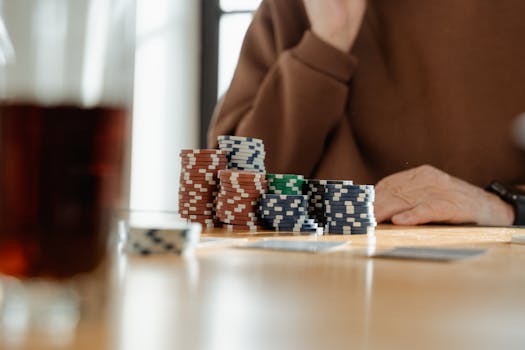
Casual poker scene with colorful poker chips and playing cards on a wooden table. Photo: MART PRODUCTION / Pexels
Gambling addiction, also known as compulsive gambling or gambling disorder, is a progressive and often hidden illness that can devastate lives. Unlike substance abuse, there are no obvious physical signs, making it easier for individuals to conceal their problem, sometimes for years. However, the psychological and financial toll is immense. Understanding the underlying mechanisms is crucial for anyone seeking to learn how to stop gambling addiction. At its core, gambling addiction is characterized by an uncontrollable urge to gamble, despite the negative consequences. This isn't just about losing money; it's about the relentless pursuit of the 'high' or the desperate attempt to chase losses, believing that one big win will solve everything. The brain's reward system plays a significant role. Gambling activities, particularly those with intermittent reinforcement (like slot machines), can trigger a dopamine rush similar to that experienced with drug use. Over time, the brain adapts, requiring more intense or frequent gambling to achieve the same level of excitement, leading to a vicious cycle of dependency. Many factors contribute to the development of a gambling problem. Psychological vulnerabilities, such as a history of other addictions, depression, anxiety, or ADHD, can increase susceptibility. Environmental factors, like easy access to gambling opportunities (online casinos, sports betting apps), social circles where gambling is prevalent, or significant life stressors, can also act as triggers. Some individuals might start gambling as a way to escape emotional pain, boredom, or loneliness, only to find themselves trapped in a new, more destructive cycle. It's important to differentiate between recreational gambling and problem gambling. Recreational gamblers enjoy the thrill, set limits, and stop when they lose or reach their budget. Problem gamblers, however, lose control, often gamble more than they can afford, and experience significant disruption in their personal, professional, and financial lives. They may lie about their gambling, borrow money they can't repay, or neglect responsibilities to continue gambling. Recognizing these signs early is paramount. Family members and friends often bear the brunt of the secret keeping, the financial strain, and the emotional roller coaster. For the individual, the shame and guilt can be paralyzing, making it incredibly difficult to ask for help. However, acknowledging the problem is the first, most powerful step toward recovery. It's not a moral failing but a recognized disorder that requires professional intervention and a strong support system. Understanding these complexities helps in formulating an effective recovery plan.

Practical Strategies for Immediate Action and Relapse Prevention

Once the decision to stop gambling addiction has been made, implementing practical, immediate strategies is essential for building momentum and preventing relapse. These steps create physical and financial barriers, making it harder to engage in gambling activities. The first and most critical practical step is self-exclusion. Many land-based casinos, online gambling sites, and state lotteries offer self-exclusion programs. By enrolling, you voluntarily ban yourself from these establishments or platforms for a specified period, often ranging from one year to a lifetime. This is a powerful deterrent, as violating a self-exclusion agreement can lead to legal consequences or at least prevent payouts. Research the self-exclusion options available in your state or country and sign up for all relevant programs. Financial controls are another cornerstone of immediate action. This involves cutting off access to funds that could be used for gambling. Consider transferring financial control to a trusted family member or friend. This might include handing over bank cards, setting up joint accounts that require two signatures for withdrawals, or having someone else manage your disposable income. Close credit card accounts or reduce credit limits, as credit is often used to fuel gambling sprees. Set up automatic bill payments to ensure essential expenses are covered before any discretionary spending is considered. It's also wise to block access to online gambling platforms. Install website blockers or parental control software on your computer, tablet, and smartphone. These tools can prevent access to gambling sites and apps, even if the urge arises. Inform your internet service provider if they offer specific gambling site blocking services. Changing routines and avoiding triggers is equally important. Identify places, people, or situations that typically lead to gambling. This might include specific bars, friends who gamble, or even certain times of day when you feel bored or stressed. Consciously avoid these triggers. If a specific route to work passes a casino, find an alternative. If certain social events involve gambling, politely decline or suggest alternative activities. Developing new, healthy coping mechanisms is vital for long-term success. Replace the thrill of gambling with constructive activities. This could be exercise, pursuing a new hobby, volunteering, spending time with supportive friends and family, or engaging in creative outlets. The goal is to fill the void left by gambling with positive, fulfilling experiences that contribute to your well-being. These practical steps, combined with professional support, create a robust framework for overcoming gambling addiction and maintaining sobriety.

Building a Robust Support System and Seeking Professional Help

Overcoming a gambling addiction is rarely a journey an individual can successfully undertake alone. Building a robust support system and actively seeking professional help are critical components for sustained recovery. This dual approach provides both emotional resilience and expert guidance, significantly increasing the chances of long-term freedom from gambling. Professional help comes in various forms, each offering unique benefits. Cognitive Behavioral Therapy (CBT) is a highly effective therapeutic approach for gambling addiction. It helps individuals identify and challenge distorted thoughts and beliefs related to gambling, such as the illusion of control or the belief that a big win is imminent. CBT also teaches coping strategies to manage urges and high-risk situations. Therapists can help clients develop healthier thought patterns and behavioral responses. Another valuable form of therapy is Motivational Interviewing, which helps individuals explore and resolve their ambivalence about changing their gambling behavior, strengthening their commitment to recovery. For some, particularly if there are co-occurring mental health conditions like depression or anxiety, medication may be an option. While there are no specific medications approved solely for gambling addiction, certain antidepressants or mood stabilizers can help manage underlying conditions that contribute to compulsive gambling. This should always be discussed with a qualified psychiatrist or medical doctor. Support groups play an indispensable role in recovery. Organizations like Gamblers Anonymous (GA) provide a fellowship of individuals who share their experiences, strengths, and hopes with each other, helping them solve their common problem and help others to recover from a gambling problem. The 12-step program of GA offers a structured path to recovery, emphasizing personal responsibility and spiritual growth. Hearing others' stories and realizing you're not alone can be incredibly empowering and reduce feelings of shame and isolation. Family therapy can also be beneficial, as gambling addiction often impacts the entire family unit. Therapists can help family members understand the addiction, heal emotional wounds, and establish healthier communication patterns. This creates a supportive home environment conducive to recovery. It's also important to involve a trusted friend or family member in your recovery process. This person can act as an accountability partner, provide emotional support, and help with financial management. Choose someone reliable, non-judgmental, and committed to your well-being. Regular check-ins and open communication with this person can be a powerful deterrent against relapse. Remember, seeking help is a sign of strength, not weakness. There are numerous resources available, and connecting with them is the most important step after acknowledging the problem. Don't hesitate to reach out to helplines, local mental health services, or addiction treatment centers to begin your journey to recovery. This comprehensive approach to building a support system and engaging professional help is fundamental for anyone looking to truly stop gambling addiction.

Sustaining Recovery: Long-Term Strategies and Mindset Shifts

Stopping gambling addiction is a significant achievement, but sustaining recovery requires ongoing effort, vigilance, and a fundamental shift in mindset. It's not just about stopping the behavior; it's about building a new life free from the grip of gambling. One of the most crucial long-term strategies is developing robust coping mechanisms for stress, boredom, and emotional discomfort. Gambling often serves as an escape or a way to self-medicate uncomfortable feelings. Learning healthy alternatives is paramount. This could include mindfulness practices, meditation, regular exercise, creative pursuits, journaling, or engaging in fulfilling hobbies. Identifying and addressing the root causes of stress in your life, and developing effective stress management techniques, will reduce the temptation to revert to old habits. Financial recovery is another vital aspect of long-term stability. The financial damage caused by gambling can be extensive, leading to debt, bankruptcy, and strained relationships. Working with a financial advisor or credit counselor can help create a realistic plan for managing debt, rebuilding savings, and establishing financial security. This might involve creating a strict budget, paying off high-interest debts first, and setting clear financial goals. Achieving financial stability can significantly reduce anxiety and remove a major trigger for gambling. Continual engagement with a support network is also key. This could mean regularly attending Gamblers Anonymous meetings, staying in touch with your sponsor, or maintaining connections with your therapist. Recovery is an ongoing process, and having a consistent support system provides accountability, encouragement, and a safe space to discuss challenges and triumphs. It reinforces the understanding that you are not alone in this journey. Preventing relapse requires constant awareness of potential triggers and developing a personalized relapse prevention plan. This involves identifying specific situations, emotions, or thoughts that could lead to a craving to gamble. Once identified, you can strategize how to avoid these triggers or how to respond constructively if they arise. For example, if loneliness is a trigger, plan social activities; if a particular sporting event tempts you, arrange to be busy during that time. It's also important to practice self-compassion. Slips can happen, and they don't erase all the progress made. If a slip occurs, it's crucial to address it immediately, learn from it, and recommit to recovery without excessive self-blame. The goal is to view it as a temporary setback, not a failure, and use it as an opportunity to strengthen your resolve. Finally, cultivating a life purpose beyond gambling is transformative. Focus on setting new goals related to your career, education, relationships, or personal growth. Engaging in activities that bring genuine joy and meaning helps fill the void that gambling once occupied. This shift from a life dominated by addiction to one driven by purpose and positive engagement is the ultimate goal of sustained recovery. It's about building a future where gambling holds no power.

Comparison

FeatureProfessional TherapySupport Groups (GA)Self-Exclusion Programs
CostVaries (insurance may cover)FreeFree
StructureIndividualized treatment plans12-step program, peer-ledGovernment/operator mandated
ConfidentialityHigh (HIPAA compliant)High (anonymous)Public (on exclusion lists)
Expert Guidance
Peer Support
Barrier to GamblingIndirect (coping skills)Indirect (accountability)
FocusRoot causes, coping skillsShared experience, moral inventoryAccess restriction
Time CommitmentRegular sessions (weekly)Regular meetings (daily/weekly)One-time setup, ongoing ban

What Readers Say

"This article was a wake-up call and a guide. The practical steps outlined for how to stop gambling addiction, especially the financial controls, helped me take immediate action. I'm now 6 months gamble-free and feel a sense of control I haven't had in years."

Sarah J. · Austin, TX

"Reading about the importance of professional help pushed me to finally seek a therapist. Understanding the psychological roots of my compulsive gambling was incredibly insightful. This resource truly laid out a path for me."

Mark D. · Chicago, IL

"The information on self-exclusion programs was invaluable. I immediately signed up for several, and it's been a game-changer. My family and I are starting to rebuild trust, and I'm seeing real results in my recovery journey thanks to these steps."

Emily R. · Miami, FL

"While extremely comprehensive, I found the initial steps daunting. However, the emphasis on building a support system and the practical advice on financial management gave me hope. It's a challenging road, but this article provides a solid roadmap."

David L. · Denver, CO

"The section on sustaining recovery really resonated with me. It's not just about stopping, but building a whole new life. The focus on new hobbies and stress management is helping me create a fulfilling life without gambling. Highly recommend this article for anyone struggling."

Jessica M. · Seattle, WA

Frequently Asked Questions

What is the most effective way to start the process of how to stop gambling addiction?

The most effective first step is to acknowledge you have a problem and immediately seek professional help. This could be through a therapist specializing in addiction, a support group like Gamblers Anonymous, or a helpline. Simultaneously, begin implementing self-exclusion measures and financial controls to create immediate barriers to gambling.

Is gambling addiction a real illness, or just a lack of willpower?

Gambling addiction is recognized as a legitimate mental health disorder by the American Psychiatric Association. It's not merely a lack of willpower but a complex condition involving brain chemistry, psychological factors, and environmental influences. Professional treatment is often necessary for recovery.

How can I prevent myself from relapsing after I stop gambling?

Relapse prevention involves several strategies: identifying and avoiding triggers, developing healthy coping mechanisms for stress and boredom, maintaining a strong support system (e.g., GA meetings, therapy), implementing strict financial controls, and having a plan for what to do if an urge arises. Ongoing self-care and vigilance are crucial.

Are there free resources available to help with gambling addiction?

Yes, many free resources exist. Gamblers Anonymous (GA) offers free peer-support meetings worldwide. State-level problem gambling helplines (e.g., 1-800-GAMBLER) provide free counseling and resource referrals. Many online platforms also offer free self-help guides and communities. Don't let cost be a barrier to seeking help.

How does professional therapy compare to support groups for gambling addiction?

Professional therapy (like CBT) offers individualized, expert-led treatment focusing on underlying psychological issues and coping skills. Support groups (like GA) provide peer-led support, shared experiences, and a structured program (e.g., 12 steps). Both are highly effective and often complement each other, providing a comprehensive approach to recovery.

Who should seek help for gambling addiction?

Anyone who feels their gambling is out of control, causing financial distress, damaging relationships, impacting their job, or leading to feelings of guilt, shame, or despair should seek help. It's never too early or too late to address a gambling problem, regardless of its severity.

Is online gambling harder to stop than casino gambling?

Online gambling can present unique challenges due to its accessibility, anonymity, and 24/7 availability from anywhere. The lack of physical presence and the quick, often seamless nature of transactions can make it harder to recognize the severity of the problem and to implement physical barriers compared to traditional casino gambling. However, the core principles of recovery remain the same.

What are future trends in gambling addiction treatment?

Future trends include increased integration of technology, such as mobile apps for tracking urges and providing real-time support, and virtual reality (VR) therapy for exposure and coping skill practice. Personalized medicine, tailored to an individual's genetic and psychological profile, is also an emerging area, alongside a greater focus on preventative measures and early intervention programs.

Taking the first step to how to stop gambling addiction is a monumental act of courage. Remember, you are not alone, and a life free from the grip of gambling is not just a dream, but an achievable reality. Reach out for support today and reclaim your future.

Topics: how to stop gambling addictiongambling addiction helpovercoming problem gamblingcompulsive gambling recoverygambling addiction treatment
Leo List
Brampton weed
Adultwork