
How to Stop Problem Gambling: Your Path to Recovery
how to stop problem gambling

How to Stop Problem Gambling: Your Path to Recovery

Break free from the grip of gambling addiction and build a healthier, more fulfilling future.

Start Your Recovery Now

Key Takeaways

  • ✓ Problem gambling affects millions in the US, regardless of income or background.
  • ✓ It's a recognized behavioral addiction, not a moral failing.
  • ✓ Recovery is possible with the right strategies and support systems.
  • ✓ Seeking help early significantly improves long-term success rates.

How It Works

1
Acknowledge the Problem

The first critical step is admitting you have a problem. This self-awareness is the foundation for all subsequent recovery efforts.

2
Seek Professional Help

Connect with therapists, counselors, or support groups specializing in gambling addiction. Their expertise provides structured guidance and proven techniques.

3
Implement Practical Barriers

Take concrete steps to limit access to gambling, such as self-exclusion, financial controls, and avoiding triggers. This creates a safer environment for recovery.

4
Build a Support Network

Engage with trusted friends, family, and peer support groups. A strong network offers emotional backing and accountability throughout your journey.

Understanding the Roots of Gambling Addiction and its Impact
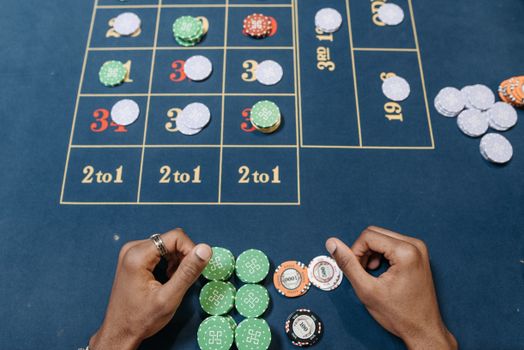
Hands arranging poker chips on a colorful casino gaming table, top view. Photo: Pavel Danilyuk / Pexels
Problem gambling, often referred to as gambling disorder, is a progressive addiction characterized by an increasing preoccupation with gambling and a need to bet more money more frequently, despite negative consequences. It's a complex issue, not simply a lack of willpower, but rather a behavioral addiction that alters brain chemistry, similar to substance abuse. Understanding its roots is crucial for effective intervention and recovery. For many, gambling starts as a harmless pastime, a form of entertainment or an escape from daily stresses. However, for a susceptible percentage of the population, it can escalate into a compulsive behavior, where the individual feels an uncontrollable urge to gamble, even when they know it's harming themselves or others. This compulsion can be triggered by a combination of genetic predispositions, psychological factors like depression, anxiety, or ADHD, and environmental influences such as easy access to gambling opportunities or social pressures. The 'high' or 'rush' experienced during gambling, often associated with dopamine release in the brain, can be intensely reinforcing, leading to a cycle of chasing losses and seeking that fleeting thrill again and again. The impact of problem gambling extends far beyond the individual, creating a ripple effect that devastates families, careers, and communities. Financially, it can lead to massive debt, bankruptcy, and even criminal activity to fund the addiction. Relationships strain under the weight of lies, broken promises, and financial instability. Spouses may feel betrayed, children neglected, and friendships dissolve. Professionally, job performance suffers, leading to unemployment and further financial distress. Mentally and emotionally, individuals often experience severe depression, anxiety, guilt, shame, and even suicidal thoughts. The constant stress of hiding the addiction and managing its consequences takes an enormous toll on mental well-being. It's a vicious cycle where the negative emotions fuel the urge to gamble, seeking temporary relief that only deepens the problem. Recognizing these profound impacts is the first step towards acknowledging the severity of the situation and motivating the search for help. For more context on recognizing the signs, consider exploring resources on how gambling addiction develops. This holistic understanding underscores why comprehensive, multi-faceted approaches are essential for recovery.

Practical Strategies for Limiting Access and Managing Triggers

Close-up of players placing poker chips on a blue roulette table in a casino setting. Photo: Pavel Danilyuk / Pexels
Once the problem is acknowledged, practical strategies become paramount in the journey to stop problem gambling. These strategies focus on creating physical and psychological barriers to gambling, thereby reducing opportunities and managing the environmental cues that trigger urges. One of the most effective practical steps is self-exclusion. In the US, most states with legal gambling (both land-based casinos and online platforms) offer self-exclusion programs. By voluntarily signing up, individuals can ban themselves from all gambling establishments or online sites for a set period, ranging from one year to a lifetime. This is a powerful, legally binding commitment that removes the immediate temptation. For online gambling, installing blocking software on all devices (computers, smartphones, tablets) is another critical barrier. Programs like Gamblock, NetNanny, or BetBlocker can prevent access to thousands of gambling sites and apps, making it significantly harder to engage in impulsive betting. Financial controls are equally vital. This involves entrusting financial management to a trusted family member or friend, who can oversee bank accounts, credit cards, and cash. Setting up automatic bill payments and direct deposit for necessities ensures that essential expenses are covered before any disposable income becomes available. Limiting access to cash, canceling credit cards associated with gambling, and setting strict daily or weekly withdrawal limits can prevent large sums from being gambled away. It's also beneficial to close online payment accounts (e.g., PayPal, Venmo) that can be linked to gambling sites. Beyond physical access, managing triggers is a psychological battle. Identify what situations, emotions, or thoughts lead to gambling urges. Is it stress, boredom, loneliness, or celebratory feelings? Once identified, develop alternative coping mechanisms. Instead of gambling, engage in hobbies, exercise, meditation, or social activities that provide healthy distractions and fulfill similar emotional needs. Avoiding places, people, or even specific routes that lead past gambling venues can also significantly reduce temptation. Open communication with trusted individuals about your triggers can provide an additional layer of support and accountability, helping you navigate high-risk situations more effectively.

Building a Robust Support System and Seeking Professional Help

An intense poker game featuring players and poker chips on the table in an indoor setting. Photo: Javon Swaby / Pexels
No one should attempt to overcome problem gambling alone. Building a robust support system and actively seeking professional help are cornerstones of successful, long-term recovery. This multi-layered approach provides the emotional, psychological, and practical tools necessary to navigate the challenges of addiction. Professional help comes in various forms. Cognitive Behavioral Therapy (CBT) is highly effective, helping individuals identify and change problematic thinking patterns and behaviors related to gambling. Therapists can equip you with coping strategies, relapse prevention plans, and address any co-occurring mental health issues like anxiety or depression that often fuel gambling. Motivational Interviewing (MI) can also be beneficial, helping individuals explore and resolve ambivalence about changing their gambling behavior. Family therapy can be crucial, as gambling addiction deeply impacts loved ones; it provides a safe space for communication, healing, and establishing healthy boundaries. In some severe cases, medication might be prescribed to address underlying conditions or intense cravings, though this is typically part of a broader treatment plan. Beyond individual therapy, peer support groups offer invaluable understanding and encouragement. Organizations like Gamblers Anonymous (GA) provide a 12-step program where individuals share their experiences, strength, and hope. The fellowship found in GA meetings can combat feelings of isolation and shame, offering a sense of community with others who truly understand the struggle. These groups provide a judgment-free environment where members can learn from each other's successes and setbacks, and find sponsors who offer one-on-one guidance. Family members can also find support through groups like Gam-Anon, which helps them cope with the effects of a loved one's gambling problem. Establishing a trusted personal support network, including friends, family, or mentors, is also vital. These individuals can provide emotional encouragement, hold you accountable, and offer practical assistance when needed. Openly communicating your struggles and progress with this network strengthens your resolve and provides a safety net during vulnerable moments. Remember, seeking help is a sign of strength, not weakness, and it significantly increases the likelihood of a lasting recovery. For further resources on finding help, explore reputable organizations dedicated to gambling addiction support.

Relapse Prevention and Cultivating a Healthy, Balanced Life

A young man in focus enjoys a game of poker indoors with drinks and poker chips on a table. Photo: cottonbro studio / Pexels
The journey to stop problem gambling is not always linear, and relapse prevention is a critical component of long-term recovery. It involves understanding that urges may reappear and having a plan in place to navigate them without returning to gambling. This requires continuous self-awareness, proactive strategies, and a commitment to personal growth. A key element is identifying and avoiding high-risk situations or 'triggers' that previously led to gambling. This might mean changing routines, avoiding specific social gatherings, or even temporarily limiting contact with certain individuals. It's about creating a new environment that supports sobriety rather than undermining it. Developing healthy coping mechanisms is essential. When urges arise, instead of turning to gambling, engage in alternative activities that bring genuine satisfaction and improve well-being. This could include: * **Engaging in hobbies:** Rediscover old passions or explore new ones like reading, painting, music, or gardening. * **Physical activity:** Exercise is a powerful stress reliever and mood booster. Walking, running, swimming, or team sports can be incredibly beneficial. * **Mindfulness and meditation:** These practices can help manage stress, anxiety, and impulsive urges by fostering a sense of calm and presence. * **Volunteering:** Helping others can provide a sense of purpose and shift focus away from personal struggles. * **Connecting with nature:** Spending time outdoors can be restorative and reduce stress. Cultivating a healthy, balanced life also means addressing underlying issues that may have contributed to the gambling problem. This could involve seeking therapy for depression, anxiety, or trauma, or improving communication skills within relationships. Financial literacy and responsible money management are also crucial for rebuilding stability and trust. Regularly attending support group meetings, checking in with a sponsor, and maintaining open communication with your support network are ongoing actions that reinforce your commitment to recovery. Remember that a slip is not a full relapse; it's an opportunity to learn and reinforce your strategies. The goal is not just to stop gambling, but to build a rich, meaningful life free from its grip, fostering genuine happiness and well-being.

Comparison

Recovery MethodEffectivenessSupport LevelCostTime Commitment
Professional Therapy (CBT)HighIndividualized ExpertModerate to HighWeekly/Bi-weekly
Gamblers Anonymous (GA)HighPeer Support GroupFree (Donations)Regular Meetings
Self-Exclusion ProgramsHigh (Barrier)SystemicFreeOne-time setup
Blocking SoftwareModerate (Technical)TechnologicalLow to ModerateOne-time setup

What Readers Say

"I never thought I could stop problem gambling, but this guide gave me the courage to seek help. The focus on practical barriers was a game-changer for me."

Sarah J. · Austin, TX

"The sections on understanding addiction and building a support system were incredibly insightful. It validated my feelings and showed me I wasn't alone in this struggle."

David M. · Chicago, IL

"After years of struggling, I've been gambling-free for 6 months thanks to implementing the self-exclusion and financial control strategies from this article. My life has completely turned around."

Emily R. · Miami, FL

"While the guide is comprehensive, I wish there was a bit more detail on navigating family conversations during recovery. Still, it's an excellent resource overall."

Mark T. · Denver, CO

"As a partner of someone recovering from gambling addiction, this article helped me understand what he's going through and how I can best support his journey to sobriety."

Jessica L. · Seattle, WA

Frequently Asked Questions

What is the very first step to take if I want to stop problem gambling?

The absolute first step is to acknowledge that you have a problem. This self-recognition, despite how difficult it may be, is the fundamental starting point for all subsequent recovery efforts and opens the door to seeking the necessary help and support.

Is problem gambling truly an addiction, or just a bad habit?

Problem gambling is officially recognized as a behavioral addiction, known as Gambling Disorder, by the American Psychiatric Association. It's not merely a bad habit but a serious mental health condition characterized by compulsive behavior and significant negative impacts on one's life, involving changes in brain chemistry similar to substance addictions.

How can I practically prevent myself from gambling, especially online?

Practical steps include enrolling in state-level self-exclusion programs that ban you from casinos and online gambling sites, installing website-blocking software on all your devices, and entrusting financial control (like bank accounts and credit cards) to a trusted family member or friend to limit access to funds for gambling.

What kind of costs are involved in seeking professional help for gambling addiction?

Costs for professional help can vary widely. Therapy (CBT, individual, family) can range from $75-$200+ per session, though many insurance plans cover mental health. Support groups like Gamblers Anonymous are free, relying on voluntary donations. Some states offer free or low-cost treatment programs, so it's worth researching local resources and contacting your insurance provider.

How does self-exclusion compare to just trying to stop on my own?

Self-exclusion provides a powerful, legally binding external barrier that makes it significantly harder to gamble, especially in moments of weakness or strong urges. Trying to stop on your own relies solely on willpower, which can be inconsistent when battling an addiction. Self-exclusion complements personal resolve by removing opportunity and providing accountability.

Who should seek help for problem gambling?

Anyone who feels their gambling is out of control, is causing financial, emotional, relational, or professional distress, or who spends an excessive amount of time thinking about or engaging in gambling, should seek help. It's never too early or too late to reach out for support.

Are there risks associated with stopping gambling cold turkey?

While not as physically dangerous as stopping certain substances, stopping gambling cold turkey can lead to intense emotional and psychological withdrawal symptoms such as irritability, anxiety, depression, restlessness, and strong cravings. These symptoms can be overwhelming, which is why professional support and a strong support system are highly recommended to manage them safely and effectively.

What role does technology play in future solutions for problem gambling?

Technology is increasingly vital in problem gambling solutions. This includes advanced blocking software, AI-powered tools for early detection and intervention, virtual reality therapy for craving management, and telehealth platforms making professional help more accessible. Future trends point towards more personalized and integrated digital support systems.

Taking the first step to stop problem gambling is a brave and life-changing decision. Remember, you don't have to face this challenge alone. Reach out for help today and begin your journey towards a healthier, gambling-free future.

Topics: how to stop problem gamblinggambling addiction helpovercoming gambling addictionresponsible gamblinggambling recovery
Leo List
Brampton weed
Adultwork