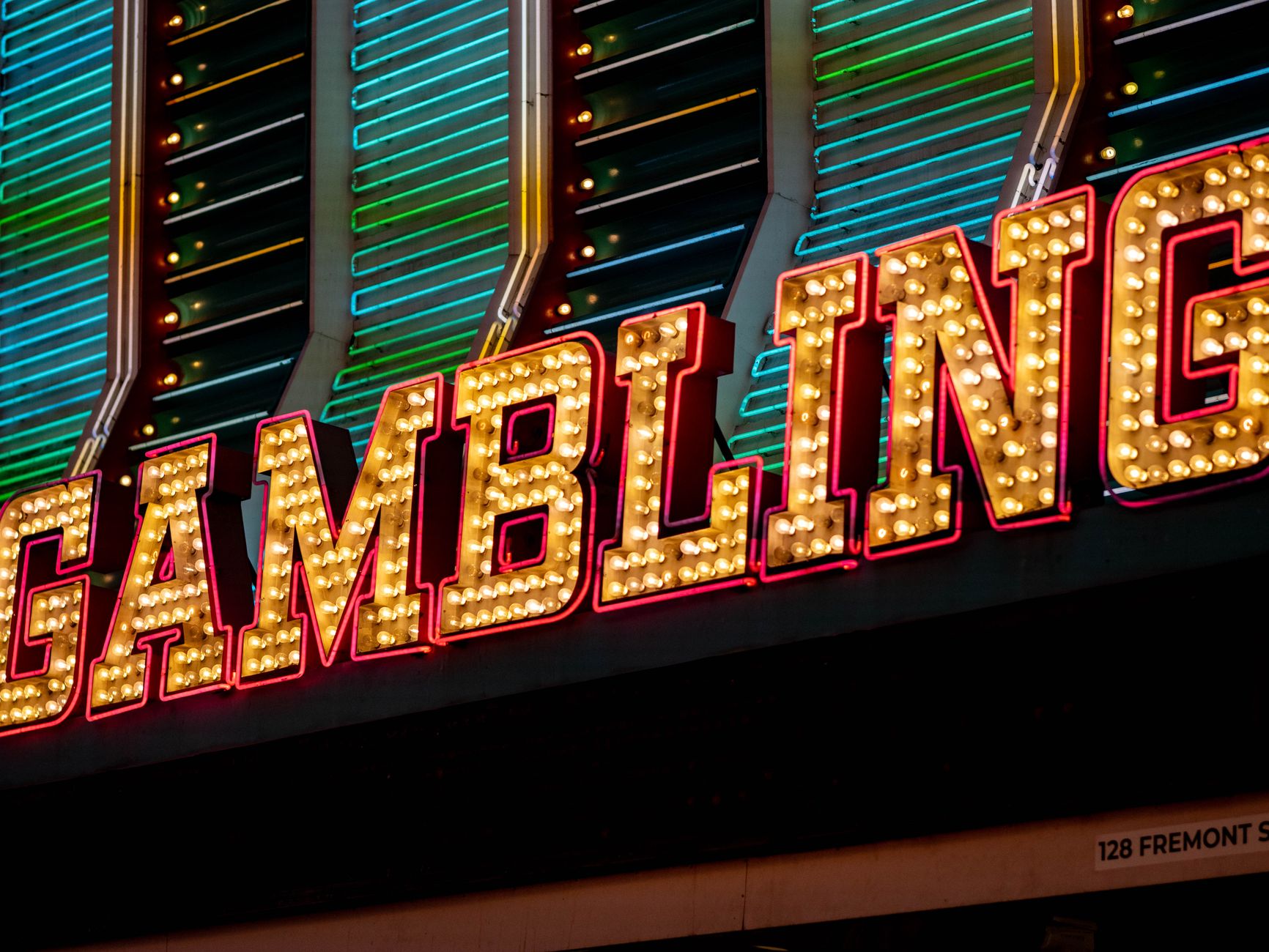

Legal Gambling Age in Nevada: Your Essential Guide

Hands placing betting chips on a roulette table in an upscale casino setting.Photo: Pavel Danilyuk / Pexels

Legal Gambling Age in Nevada: Your Essential Guide

Discover everything you need to know about gambling legally in Nevada, from age requirements to responsible play.

Learn More Now

Key Takeaways

  • ✓ The legal gambling age in Nevada is 21 years old for all forms of gambling.
  • ✓ This age limit applies to casinos, sportsbooks, online gambling, and even social gambling like bingo halls.
  • ✓ Underage individuals found gambling face legal penalties, including fines and potential jail time.
  • ✓ Casinos and gambling establishments also face severe penalties for allowing underage gambling.

How It Works

1
Verify Your Age

Before entering any gambling area or placing a bet, be prepared to show valid government-issued identification proving you are 21 or older. This is a mandatory step for compliance.

2
Understand the Laws

Familiarize yourself with Nevada's gambling regulations, particularly those concerning age verification and responsible gaming. Ignorance of the law is not an excuse.

3
Engage Responsibly

Once you've confirmed your eligibility, enjoy the diverse gambling options Nevada offers, but always prioritize responsible gaming. Set limits and stick to them.

4
Seek Assistance if Needed

If you or someone you know struggles with problem gambling, Nevada offers extensive resources. Utilize these services to maintain control and ensure a positive experience.

Understanding the Legal Gambling Age in Nevada: It's 21, No Exceptions

Nevada, often dubbed the 'Gaming Capital of the World,' is a magnet for tourists seeking the thrill and excitement of casino floors. From the dazzling lights of the Las Vegas Strip to the vibrant energy of Reno and Tahoe, gambling is an integral part of the state's identity. However, amidst all the allure, one fundamental rule stands paramount: the legal gambling age in Nevada is strictly 21 years old. This isn't just a suggestion; it's a deeply entrenched law, rigorously enforced across the entire state, encompassing every form of gambling imaginable. Whether you're planning to try your luck at blackjack, spin the roulette wheel, play the slots, bet on sports, or even participate in an online poker game physically located within Nevada, you must be at least 21. This age requirement extends beyond just the act of placing a bet. It also applies to entering casino areas where gambling takes place, even if you don't intend to gamble. Many establishments will require age verification at the entrance to gaming floors, bars within casinos, and even certain restaurants or entertainment venues located within the gambling complex. This strict adherence is a cornerstone of responsible gaming practices and is designed to protect both individuals and the integrity of the industry. The rationale behind setting the age at 21 aligns with the national legal drinking age, recognizing that both activities carry similar risks of addiction and potential harm, particularly to developing minds. By making the age consistent, the state aims to simplify enforcement and prevent loopholes. This isn't a state-by-state variation where some jurisdictions might allow 18-year-olds to gamble; Nevada is firm on 21. Tourists visiting from countries where the legal gambling age might be lower, such as 18, often find this distinction surprising, highlighting the importance of understanding local laws before your trip. The Nevada Gaming Control Board (NGCB) and the Nevada Gaming Commission are the primary regulatory bodies responsible for overseeing all gaming activities in the state. They work tirelessly to ensure compliance with these laws, including the age restriction. Their oversight ensures that casinos operate fairly, securely, and within the legal framework, which includes stringent checks to prevent underage gambling. This comprehensive regulatory environment means that casinos themselves have a significant vested interest in upholding the law, as violations can lead to severe penalties, including hefty fines, suspension of licenses, or even outright revocation. This creates a powerful deterrent against any establishment knowingly allowing underage individuals to gamble. Therefore, if you're planning a trip to Nevada with gambling in mind, ensure your identification is current and readily available. Expect to be asked for it, and understand that it's a standard procedure designed to protect everyone involved. For more information on gambling regulations, you can visit the official Nevada Gaming Control Board website. Understanding these foundational rules is the first step toward an enjoyable and legal gambling experience in the Silver State. Additionally, it's crucial to distinguish between merely being on the premises and actively participating in gambling. While minors might be allowed in certain family-friendly areas of resorts, they are strictly prohibited from gaming floors. This clear delineation helps maintain the integrity of the age restriction. Explore more about responsible gambling practices to ensure a safe and enjoyable experience for all patrons.

Consequences of Underage Gambling in Nevada for Individuals and Establishments

The strict enforcement of the legal gambling age in Nevada isn't without significant consequences for those who choose to defy it, both individuals and the establishments involved. For an underage individual caught gambling, the penalties can range from serious to severe. Typically, the offense is classified as a misdemeanor, which, in Nevada, can carry a fine of up to $1,000, up to six months in jail, or both. Beyond the immediate legal repercussions, an underage gambling conviction can have long-lasting negative impacts. It can appear on a criminal record, potentially affecting future employment opportunities, college applications, and even housing. Imagine trying to secure a student loan or a new job with a misdemeanor on your record – it could prove to be a significant hurdle. Furthermore, any winnings obtained by an underage gambler are subject to forfeiture. This means that even if an underage individual manages to win a substantial sum, they will not be allowed to collect it. The money will instead be confiscated, and the individual will still face legal charges. This serves as a powerful disincentive, ensuring that there's no financial gain to be had from breaking the law. The consequences aren't limited to the individual. Establishments that permit underage gambling face even more stringent penalties. Casinos and other licensed gaming venues are under immense scrutiny from the Nevada Gaming Control Board. If a casino is found to have knowingly or negligently allowed an underage person to gamble, they can face substantial fines, often in the tens or even hundreds of thousands of dollars per incident. Repeated offenses can lead to much more severe repercussions, including the suspension or even revocation of their gaming license. This is the ultimate penalty for a casino, as it means they can no longer legally operate. Such a consequence can lead to massive financial losses, job losses, and significant damage to their reputation. To avoid these severe penalties, casinos implement rigorous age verification protocols. You'll frequently be asked for identification when entering gaming areas, purchasing alcoholic beverages, or even when appearing particularly youthful. Security personnel are trained to spot and question individuals who may appear underage, and advanced surveillance systems are constantly monitoring the gaming floor. Many casinos also employ a policy of 'carding everyone' who looks under a certain age, often 30 or 35, to ensure full compliance. This proactive approach is a necessary measure to protect their licenses and maintain the integrity of their operations. The penalties for both individuals and establishments serve as a strong deterrent, reinforcing the message that the legal gambling age in Nevada is not a guideline but a strict law. It’s a mechanism designed to protect minors from the potential harms of gambling and to ensure the responsible operation of the state's vital gaming industry. Therefore, for anyone under 21, the best approach is simply to wait until they are of legal age to participate in Nevada's exciting gambling scene. Understanding these penalties is crucial for anyone considering a visit to a Nevada casino. It's not just about avoiding a minor inconvenience; it's about avoiding serious legal and financial ramifications that can impact one's future. The state takes these laws very seriously, and visitors should too. This firm stance on age verification underscores Nevada's commitment to responsible gaming practices and the protection of its patrons. When planning your trip, ensure all members of your party are aware of these rules to prevent any unpleasant surprises or legal issues.

Navigating Nevada Casinos: What Under 21s Can and Cannot Do

While the legal gambling age in Nevada is firmly set at 21, this doesn't mean that individuals under this age are entirely excluded from the vibrant atmosphere of Nevada's resorts. Many establishments are designed to be family-friendly, offering a wide array of activities and amenities that do not involve gambling. Understanding what under 21s can and cannot do is crucial for planning a smooth and enjoyable trip for all members of a family or group. Firstly, minors are generally permitted to stay in hotel rooms within casino resorts. Many resorts cater to families, featuring amenities like swimming pools, spas, shopping arcades, and a diverse range of dining options. These areas are typically accessible to all ages, allowing families to enjoy the luxurious accommodations and entertainment offerings together. Dining is another area where under 21s have significant access. Most restaurants within casino resorts, from casual eateries to fine dining establishments, are open to all ages. However, there are exceptions. Restaurants that are primarily bars or lounges, or those with direct access to gaming floors without a clear separation, may restrict entry to those 21 and over. Always check with the specific venue if you are unsure. When it comes to entertainment, the rules can vary. Many shows, concerts, and attractions in Nevada resorts are open to all ages. Think of Cirque du Soleil performances, magic shows, or family-friendly concerts – these are generally accessible. However, adult-oriented shows, nightclubs, and lounges are strictly 21 and over. If an entertainment venue also serves alcohol or is located within a restricted gaming area, age verification will be required for entry. The critical distinction lies in direct proximity to gambling. Under 21s are strictly prohibited from entering gaming areas. This includes the main casino floor, sportsbooks, poker rooms, and any area where slot machines or table games are present. Even walking through a casino floor to get from one part of the resort to another might be restricted or require a chaperone, especially during peak hours. Some casinos have designated walkways that bypass the gaming areas, specifically for minors and their guardians. It’s important to look for signage or ask hotel staff for guidance on these routes. Attempting to loiter near gaming tables, even if not actively playing, can draw the attention of security personnel and lead to being asked to leave the area. The enforcement is rigorous, and security staff are trained to identify and remove underage individuals from restricted zones. The goal is to prevent any direct or indirect participation in gambling by minors, and also to protect them from the potential negative influences of a gambling environment. Therefore, while Nevada offers a plethora of non-gambling activities suitable for all ages, it is essential for families and groups with under 21 members to plan their itineraries carefully. Always confirm age restrictions for specific venues or activities in advance to avoid disappointment or legal issues. Resorts often provide maps and information detailing accessible areas for minors. By being informed and respectful of these regulations, everyone can enjoy their Nevada experience. Discover more about family-friendly activities in Las Vegas that don't involve gambling.

Responsible Gaming and Identifying Underage Gambling Risks

Responsible gaming is a cornerstone of Nevada's gambling industry, and preventing underage gambling is a critical component of this commitment. While the state enforces strict laws, individual awareness and proactive measures are equally important in fostering a safe and ethical environment. Understanding the signs of potential underage gambling and knowing where to find help for problem gambling are vital for everyone involved, from parents and guardians to casino staff and fellow patrons. **Identifying Potential Underage Gambling:** * **Lack of Proper Identification:** The most obvious sign. Underage individuals might present fake IDs, claim to have forgotten their ID, or try to avoid situations where ID is required. Casino staff are trained to spot fraudulent identification. * **Nervous or Evasive Behavior:** Someone who is underage might appear overly anxious, avoid eye contact, or try to blend into a crowd to avoid scrutiny. * **Unfamiliarity with Casino Protocol:** While not definitive, a lack of understanding of basic game rules or casino etiquette might suggest a lack of experience, which could correlate with age. * **Attempting to Gamble in Restricted Areas:** Underage individuals might try to sneak into gaming floors or attempt to place bets at tables or machines. * **Soliciting Older Individuals:** An underage person might try to get an older patron to place bets on their behalf, which is also illegal and carries penalties for both parties. **Tips for Parents and Guardians:** * **Open Communication:** Talk to your children about the risks of gambling, the legal age restrictions, and the consequences of underage gambling. * **Set Clear Boundaries:** If visiting a casino resort, clearly define which areas are off-limits to minors and ensure these rules are followed. * **Supervise Children:** Never leave minors unsupervised in areas where they might be tempted to access gambling. * **Educate on Fake IDs:** Discuss the dangers and legal ramifications of using or possessing fake identification. **Resources for Problem Gambling:** Nevada offers extensive resources for individuals struggling with problem gambling, including those who started gambling underage. These resources are designed to provide confidential support and guidance. * **Nevada Council on Problem Gambling:** Offers a helpline (1-800-522-4700) and various programs, including support groups and counseling services. Their website provides a wealth of information and self-assessment tools. * **National Council on Problem Gambling:** Provides a national helpline and resources, which can be particularly helpful for visitors from out of state. * **Self-Exclusion Programs:** Individuals can voluntarily ban themselves from all Nevada casinos for a set period or indefinitely. This is a powerful tool for those seeking to regain control. Responsible gaming extends beyond just age verification; it encompasses creating an environment where gambling is enjoyed as entertainment, not as a source of distress. By being vigilant about age restrictions and supportive of responsible gaming initiatives, everyone contributes to a safer and more enjoyable experience in Nevada's vibrant gaming landscape.

Comparison

FeatureNevada (21+)Some International (18+)Some US Tribal (18+)
Legal Age for Casino Entry21 years old18 years old18 or 21 (varies)
Legal Age for Alcohol21 years old18 or 21 (varies)21 years old
Consequences for UnderageFines, jail, forfeitureVaries by jurisdictionVaries by tribal law
Casino Penalties for UnderageSevere fines, license suspension/revocationVaries by jurisdictionVaries by tribal compact

What Our Readers Say

5 ★★★★★

"This guide was incredibly helpful for my trip to Vegas with my younger sister. It clearly explained the legal gambling age in Nevada and what areas she could still enjoy. We had a blast without any issues!"

5 ★★★★★

"I always assumed the age was 18 in some places, so this article about the legal gambling age in Nevada clarified everything. Good to know the rules before I travel, especially with my kids."

5 ★★★★★

"The details on consequences for underage gambling were eye-opening. It really drove home how serious Nevada takes the 21+ rule. Saved me from potential trouble by being informed."

4 ★★★★☆

"While the 21+ rule for gambling in Nevada is strict, this guide did a great job explaining all the other activities available for those under 21. It made planning our family vacation much easier, even if the casino floor was off-limits for my younger brother."

5 ★★★★★

"As someone visiting from a country with an 18+ gambling age, this article was essential. It clearly outlined the legal gambling age in Nevada and prevented any awkward situations at the casino entrance. Very thorough and precise."

Frequently Asked Questions

What is the exact legal gambling age in Nevada?
The legal gambling age in Nevada is strictly 21 years old. This applies to all forms of gambling, including casino games, sports betting, poker, and any other gaming activity regulated by the state.
Can I enter a casino in Nevada if I am under 21 but not gambling?
Generally, individuals under 21 are prohibited from entering the gaming areas of a casino. They may be allowed in other parts of the resort, such as hotels, restaurants, shops, or entertainment venues, but direct access to the gambling floor is restricted. Always check the specific casino's policy.
What kind of identification do I need to prove my age in a Nevada casino?
You will need a valid, government-issued photo identification, such as a state driver's license, state ID card, military ID, or a passport. Casinos are very strict about ID verification to ensure compliance with the legal gambling age in Nevada.
What are the penalties for underage gambling in Nevada?
Underage gambling in Nevada is a misdemeanor offense, which can result in fines of up to $1,000, up to six months in jail, or both. Additionally, any winnings obtained by an underage gambler will be forfeited.
Is the gambling age different for online gambling in Nevada?
No, the legal gambling age for online gambling physically located within Nevada (such as online poker or sports betting apps) is also 21 years old. Operators use robust age verification systems to ensure compliance.
Who should I contact if I suspect someone is gambling underage?
If you suspect someone is gambling underage, you should immediately notify casino security or staff. They are equipped to handle such situations and are legally obligated to enforce the age restrictions.
Are there any exceptions to the 21-year-old gambling age in Nevada?
No, there are absolutely no exceptions to the 21-year-old legal gambling age in Nevada. This rule is applied uniformly across all licensed gaming establishments and activities in the state.
How does Nevada's gambling age compare to other states or countries?
While some states and many countries have a legal gambling age of 18, Nevada, along with a few other US states, maintains a strict 21-year-old requirement. This aligns with the national legal drinking age and is enforced rigorously.

Understanding the legal gambling age in Nevada is crucial for a compliant and enjoyable visit. By adhering to the 21+ rule and practicing responsible gaming, you can fully immerse yourself in the excitement that the Silver State has to offer. Plan your trip wisely, verify your age, and embark on an unforgettable adventure in Nevada's world-renowned gaming landscape.

Topics: legal gambling age in nevadanevada gambling lawsage to gamble vegasresponsible gaming nevadaunderage gambling consequences